How Roof Ventilation Helps Prevent Moisture and Mold
Roof ventilation helps prevent moisture and mold buildup by improving airflow, and local contractors can install or upgrade systems to protect your home.
Proper roof ventilation plays a crucial role in maintaining a healthy and durable property. When a roof is well-ventilated, it helps regulate temperature and moisture levels inside the attic and upper areas of a home. This can be especially important for property owners in the local area who have experienced issues with excess humidity or notice signs of mold growth. By ensuring adequate airflow, local contractors can help prevent moisture buildup that often leads to mold, rot, and structural damage, saving homeowners from costly repairs down the line.
Understanding how roof ventilation helps prevent moisture and mold highlights the importance of professional installation and maintenance. Local service providers can assess existing ventilation systems and recommend solutions tailored to the specific needs of a property. Whether installing new vents or upgrading existing ones, these experts ensure that air circulates properly, reducing the risk of moisture problems. Keeping this in mind can help property owners protect their investment and maintain a safe, comfortable living environment.
- Attic Ventilation Installation - homeowners noticing excess moisture buildup in their attic can benefit from local contractors who install proper ventilation systems to reduce humidity and prevent mold growth.
- Roof Ventilation Inspection - individuals concerned about hidden moisture issues may seek inspections from service providers who evaluate current ventilation and recommend improvements to mitigate mold risks.
- Vented Roof Ridge or Soffit Installation - those experiencing condensation problems often turn to local pros who install ridge vents or soffit vents to promote airflow and control moisture levels.
- Attic Fan Replacement or Upgrades - property owners with outdated or ineffective attic fans can contact service providers to upgrade or replace systems that help regulate temperature and moisture.
- Ventilation System Repairs - homeowners facing signs of mold or dampness may need repairs from local contractors to restore proper airflow and prevent future moisture issues.
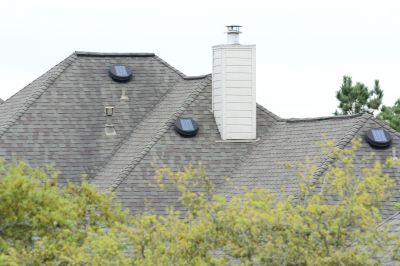
When homeowners search for how roof ventilation helps prevent moisture and mold, they often want to understand the connection between proper attic airflow and indoor air quality. Moisture buildup in the attic can lead to a range of problems, including wood rot, insulation damage, and the growth of mold and mildew. These issues not only compromise the structural integrity of the property but can also impact the health of occupants. Many people are exploring ways to improve their roof ventilation systems as part of routine maintenance or when addressing existing moisture problems. They seek practical solutions that can protect their investment and create a healthier living environment.
This topic is closely related to common property concerns such as attic insulation, roof longevity, and energy efficiency. Poor ventilation often results in excess humidity, especially in climates with high rainfall or seasonal temperature fluctuations. Homeowners may be planning upgrades or repairs to their roofing systems and want to ensure these improvements include effective ventilation strategies. Problems like condensation on rafters, peeling paint, or musty odors often prompt inquiries about how roof ventilation can help. Local contractors who specialize in attic ventilation and roof systems can assess existing setups and recommend solutions that mitigate moisture issues before they become costly repairs.
Properties that typically come up in these discussions include single-family homes, especially those with attics that are poorly ventilated or sealed. Older homes with outdated roofing or insulation systems are common candidates for ventilation upgrades. Additionally, new construction projects often incorporate roof ventilation as a standard part of the design process to prevent future moisture problems. Commercial buildings and multi-family residences may also benefit from proper roof ventilation, especially if they experience high humidity levels or are located in regions prone to heavy rainfall. These properties all share the need for a ventilation system that promotes airflow, reduces humidity, and prevents mold growth over time.
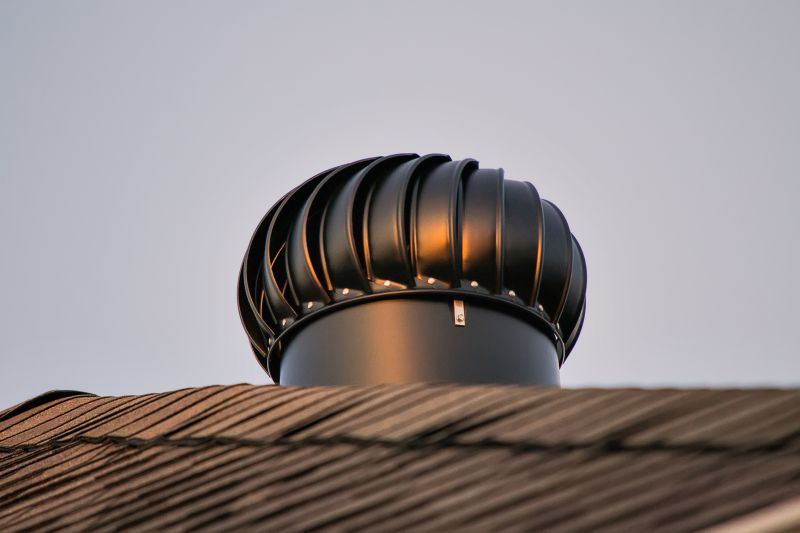
Understanding how roof ventilation helps prevent moisture and mold makes it clear why local service providers are an essential resource. These professionals can evaluate the current state of a property's ventilation, identify areas where excess moisture may be accumulating, and install or upgrade vents accordingly. Proper ventilation solutions might include ridge vents, soffit vents, or attic fans, each serving to facilitate continuous airflow. Homeowners and property managers who seek to maintain their buildings’ integrity and health should consider consulting local contractors experienced in roof ventilation. They can help develop a tailored plan that ensures effective moisture control, prolongs roof life, and maintains a healthier indoor environment.
Attic Insulation Installation - Proper insulation work often involves planning for adequate ventilation to prevent moisture buildup and mold growth inside the attic space.
Roof Repair and Replacement - Ensuring proper roof ventilation is a key part of roofing projects that aim to reduce moisture accumulation and prevent mold issues.
Attic Ventilation System Installation - Specialists in installing vents and attic fans help improve airflow, which is essential for controlling moisture and avoiding mold.
Gutter and Drainage System Setup - Effective drainage solutions work in tandem with roof ventilation to direct moisture away from the roof and attic areas.
Attic Air Sealing Services - Sealing air leaks complements ventilation efforts by controlling moisture entry points that could lead to mold problems.
Roof Inspection and Maintenance - Regular inspections include assessing ventilation systems to ensure they are functioning to prevent moisture-related issues.
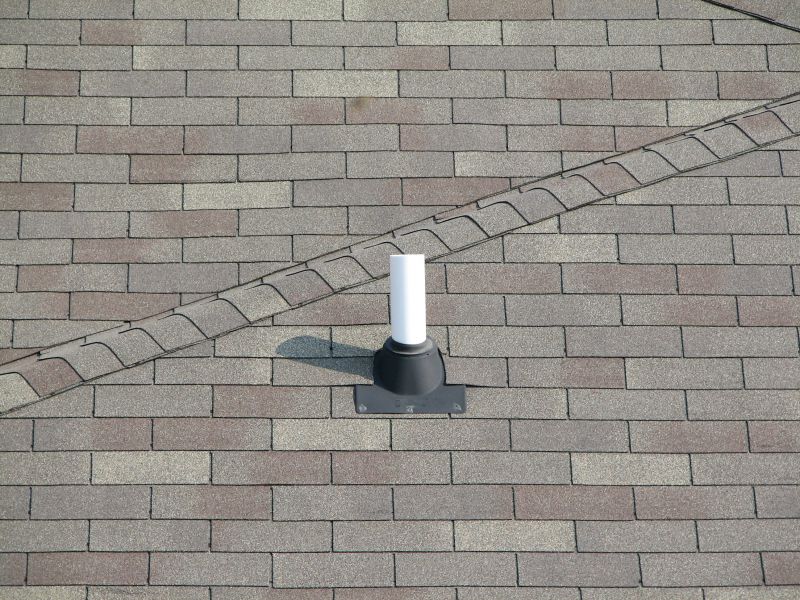
When evaluating roof ventilation services, it is important to consider the experience of local contractors with similar projects. Homeowners should seek out providers who have a proven track record in installing or upgrading roof ventilation systems that effectively prevent moisture buildup and mold growth. An experienced service provider will understand the nuances of different roof types and climates, ensuring that the ventilation solutions they recommend are appropriate for the specific needs of the home. This familiarity can contribute to a more reliable and long-lasting system, helping to maintain a healthy indoor environment over time.
Clear written expectations are essential when comparing local contractors for roof ventilation services. Homeowners should look for providers who offer detailed project descriptions, including the scope of work, materials used, and the expected outcomes related to moisture control and mold prevention. Having these details in writing helps establish a shared understanding of what the project entails and reduces the likelihood of misunderstandings. Well-defined expectations also make it easier to assess whether a contractor’s approach aligns with the homeowner’s goals for improving attic airflow and overall roof health.
Reputable references and good communication are key factors in selecting the right service provider. Homeowners are encouraged to ask for references from past clients who had similar roof ventilation needs, especially those concerned with moisture and mold issues. Speaking with previous customers can provide insights into the contractor’s professionalism, reliability, and ability to deliver results. Additionally, effective communication throughout the project-such as prompt responses to questions and clarity about procedures-helps ensure that homeowners feel informed and confident in the work being performed. Choosing local contractors who emphasize transparency and responsiveness can lead to a smoother experience and more satisfactory outcomes.
Property owners often search for how roof ventilation helps prevent moisture and mold when they are planning practical projects around their homes and businesses. Local pros provide Roof Ventilation services for everyday jobs and straightforward project options.
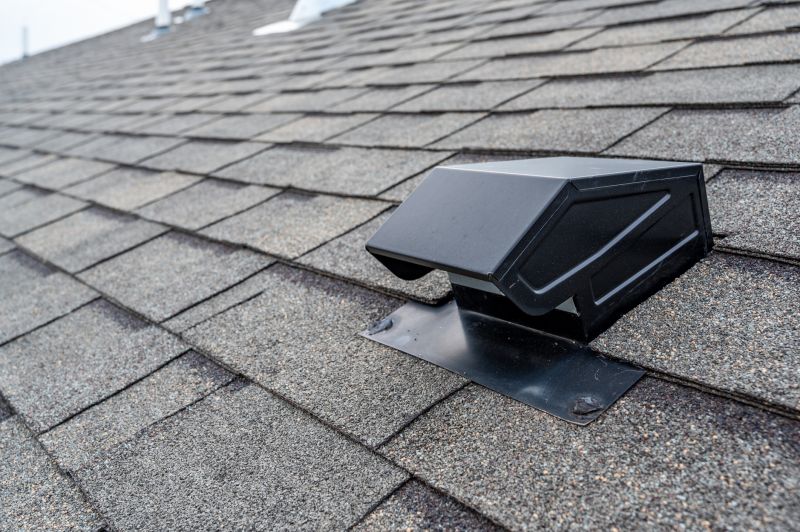
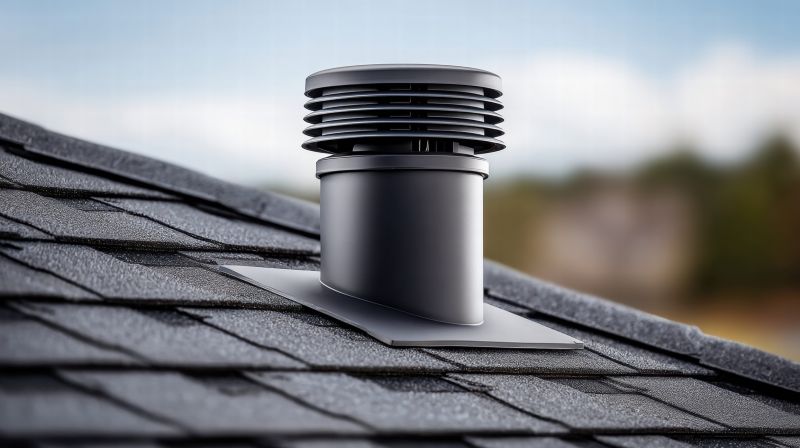
Proper roof ventilation plays a key role in managing moisture levels inside a home, especially during seasonal changes or heavy weather. When warm, moist air escapes through well-designed vents, it helps prevent the buildup of humidity that can lead to mold growth and damage to roof structures. Homeowners often seek out local contractors to evaluate and improve their roof ventilation systems, ensuring that excess moisture is effectively vented out and indoor air quality remains healthy.
Many property owners in the area notice signs like condensation on ceilings or a musty smell, which can indicate inadequate ventilation. Addressing these issues with the help of experienced service providers can help reduce the risk of mold development and protect the longevity of the roof. Local contractors can assess existing ventilation setups and recommend solutions that promote airflow, contributing to a healthier, more durable home environment.
How does roof ventilation help prevent moisture buildup inside the attic? Proper roof ventilation allows moist air to escape, reducing humidity levels that can lead to moisture accumulation and mold growth in the attic space.
In what ways can roof ventilation reduce the risk of mold development? By promoting airflow and removing excess moisture, roof ventilation helps maintain a dry environment, which inhibits mold spores from settling and growing.
Why is adequate roof ventilation important for controlling indoor humidity? Effective roof ventilation helps balance humidity levels by venting out moist air, preventing conditions that favor mold and moisture problems inside the home.
How can local contractors improve roof ventilation to prevent moisture issues? They can install or upgrade vents and attic fans to ensure proper airflow, helping to keep the attic dry and reduce the likelihood of mold formation.
What signs indicate that roof ventilation might be insufficient for moisture control? Signs include excessive attic heat, visible mold or mildew, and musty odors, which local service providers can assess and address through proper ventilation solutions.
Assess attic ventilation needs - property owners can evaluate their attic space to identify areas lacking proper airflow and seek local contractors to install effective ventilation systems.
Improve airflow during renovations - when remodeling or updating a roof, homeowners can incorporate additional vents or attic fans with the help of local service providers to enhance moisture control.
Install ridge or soffit vents - property owners can work with local pros to add or upgrade ridge and soffit vents, promoting continuous airflow that helps prevent mold growth.
Maintain existing ventilation systems - regular inspection and cleaning of current roof vents by local contractors can ensure ongoing moisture management and mold prevention.
If you are thinking about how roof ventilation helps prevent moisture and mold for a property, this guide is meant to help you understand this topic, the typical project types, and how different options might fit your plans.
When you are ready, you can use the quote form on this page to share a few details about your project. From there, local pros can review the basics and follow up with options that match what you have in mind.